
You hear a noise above the ceiling and then notice disturbed food packaging. We know you want to find out what is happening without making the problem worse. In an Easley home, rodent signs need to be considered together with possible entry routes. This guide explains what to report, why trapping and exclusion do different jobs and which household details matter when you call. We do not ask you to handle droppings or diagnose an animal from a sound before requesting an inspection.
A scratching sound is a reason to investigate
Signs of mice in Easley, SC homes can include scratching, droppings and gnaw marks, as described in our mouse service information. A sound alone cannot tell you how many animals are present or which animal is making it. The first step is to record what you notice and arrange an inspection rather than guess from one clue.
Notice whether the sound comes from the attic, a wall or an accessible room. If you see droppings, describe the location without disturbing the area for a closer photograph. You do not need to handle evidence to explain the concern.
Our inspection considers trails, droppings, gnaw marks and the openings animals may use. These details help connect activity inside the home with possible access outside. That is a better starting point than assuming that catching one mouse resolves the whole problem.
Mice and rats leave different clues
Our supplied rodent information distinguishes larger rat droppings from smaller mouse droppings and describes heavier sounds as one possible rat clue. Those are observations to discuss, not a reliable self-diagnosis for every home. An inspection is needed to interpret them alongside the rest of the evidence.
Mice and rats also use different openings and may follow different paths through a building. The job is not simply to choose a larger version of the same trap. Identifying the animal helps determine where to inspect and how to plan exclusion.
If you have seen the animal, explain its appearance and where it went. If you have only heard activity, say that instead. Accurate descriptions are more useful than attaching a species name to a sound and asking for the wrong treatment.
Why catching an animal is only part of the job
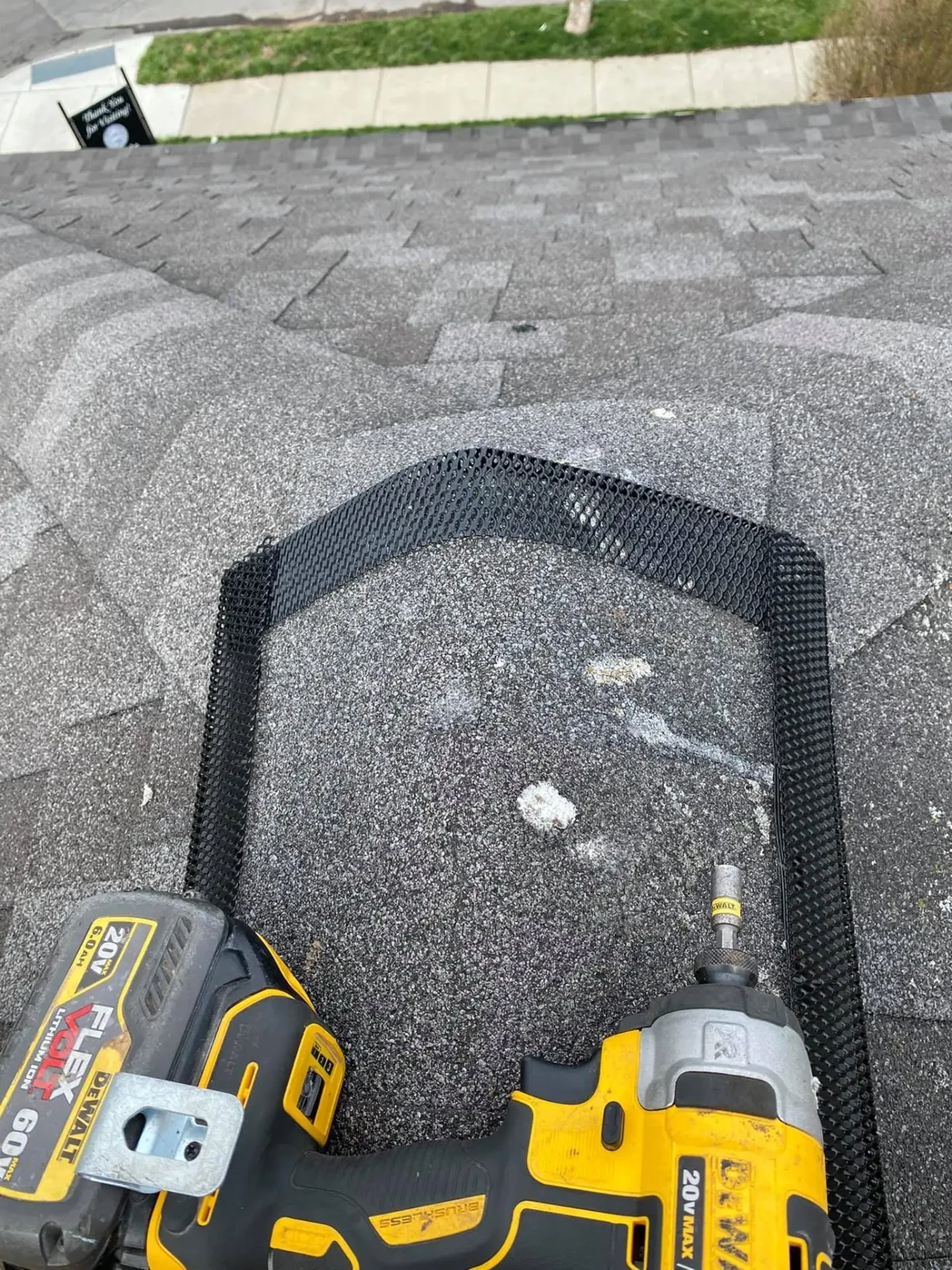
Our mouse service combines trapping with finding and sealing entry points. Removing animals already inside does not close the route that brought them there. That is why inspection and exclusion belong in the same conversation as trapping.
An opening near a utility line, door or part of the building may allow repeated access. The relevant work depends on what the inspection identifies. Avoid sealing an area at random without understanding ventilation, access and the activity being addressed.
Ask which entry points were found and how the plan deals with them. A homeowner should understand whether the quote includes sealing or whether a separate repair is needed. Otherwise it is easy to mistake temporary relief for a complete prevention plan.
Discuss traps and bait before placing products
Our mouse FAQs explain why trapping can be useful: it allows removal of bodies and confirmation that animals have been caught. The same information notes concerns with poison when mice die in inaccessible spaces. Children and pets are also part of the treatment discussion.
That does not mean every rodent job uses the same tools. Our rat service includes exterior bait stations among the possible work items. The correct choice depends on the animal, location and inspection findings rather than a general preference for one product.
Tell us about products already placed and the areas your family uses. Do not move unidentified bait or place new products in reachable areas while waiting for advice. Follow the specific instructions supplied for your job and ask questions about anything that is unclear.
Reduce food access while the property is assessed
Our mouse prevention information recommends not leaving food out and keeping pantry items in sealed containers. These steps reduce attractants while an inspection looks at the wider problem. They do not replace trapping or entry point work if animals are already inside.
Look at accessible food storage and pet feeding areas. Note where you see activity and whether stored items appear disturbed. Keep observations separate from cleanup decisions so you can describe the evidence without handling it unnecessarily.
In Easley, our service information describes increased mouse pressure as temperatures fall, especially around wooded areas and fields. A change in outdoor conditions can make a previously unnoticed opening important. Ask about the home and its surroundings instead of assuming an indoor food source is the only explanation.
Know what to expect from the next conversation
Our supplied mouse service guidance says many homes are cleared within a week or two after trapping and sealing main entry points, with additional visits possible for heavier activity or more access points. Those are planning details to discuss, not a promise for every property.
Ask how activity will be monitored and which signs to report. Keep notes on noises, new droppings or sightings so follow-up can consider what has changed. A quiet night is encouraging, but it does not by itself confirm that all access has been addressed.
Call Integrated Pest Consultants to discuss mouse concerns in Easley and the Carolina Upstate. Explain what you have noticed and request a free quote. We will talk through inspection, trapping and entry points so the plan addresses more than the animal you happen to see.
Before you call
- Record the location of sounds or visible signs.
- Describe evidence without handling droppings.
- Tell us whether you saw an animal or only heard activity.
- Mention pets, children and products already used.
- Ask how trapping, entry points and monitoring fit together.
Compare the approaches
| Approach | What it addresses | What to discuss |
|---|---|---|
| Mouse concerns | Droppings, scratching and small access routes | Inspection, trapping and identified entry points |
| Rat concerns | Larger droppings, heavier sounds and travel paths | Species identification and property-wide access |
| Unidentified noises | Activity without enough evidence | Inspection before selecting a treatment |
Common questions
Do scratching sounds prove there are mice?
No. Sounds are one clue, not a complete identification. Note where and when the activity occurs and whether you have seen droppings or gnaw marks. Our rodent inspection considers the evidence alongside entry points. A careful description helps us investigate without asking you to enter an attic or decide which animal made the noise.
Should I handle droppings to identify the animal?
You do not need to handle evidence to explain the concern. Record the location and describe what you noticed without disturbing the area. EPA guidance linked here lists rodent signs and prevention steps. Discuss inspection and appropriate cleanup advice rather than moving droppings for a closer look or trying to diagnose the problem by touch.
Will catching one mouse stop more from entering?
Not if the access route remains open. Our mouse service combines trapping with finding and sealing identified entry points. Ask what the inspection found and whether exclusion is included in the proposed scope. Catching an animal confirms one result, but it does not by itself explain all the activity or address the building openings.
Are poison and trapping interchangeable?
No. Our supplied mouse information discusses trapping for removal and confirmation, while our rat service includes exterior bait stations among possible tools. The animal, location and household matter to the recommendation. Tell us about children, pets and any products already placed. Ask about the specific plan instead of assuming every rodent job needs the same method.
How long might mouse work take?
Our service information says many homes are cleared in a week or two after trapping and sealing main access points, with more visits possible for heavier activity. Treat that as information to discuss, not a guarantee for your property. Ask how monitoring works and which signs to report. Inspection findings and remaining openings affect the plan.
What can I do while arranging an inspection?
Secure food and note where activity appears, without handling droppings or moving unidentified bait. Tell us about sightings, sounds, pets and treatments already used. A practical description is enough to start the conversation. We can discuss mouse service in Easley and how inspection, trapping and entry point work fit the concern at your home.
For independent guidance, read EPA rodent signs and prevention.
Related advice and services
Discuss the next step for your Easley home
Contact Integrated Pest Consultants to describe the concern and request a free quote.